Maryland's Regulatory Framework and Its Influence on Live Blackjack Payout Mechanics
Sam Jung · Aug 22, 2026
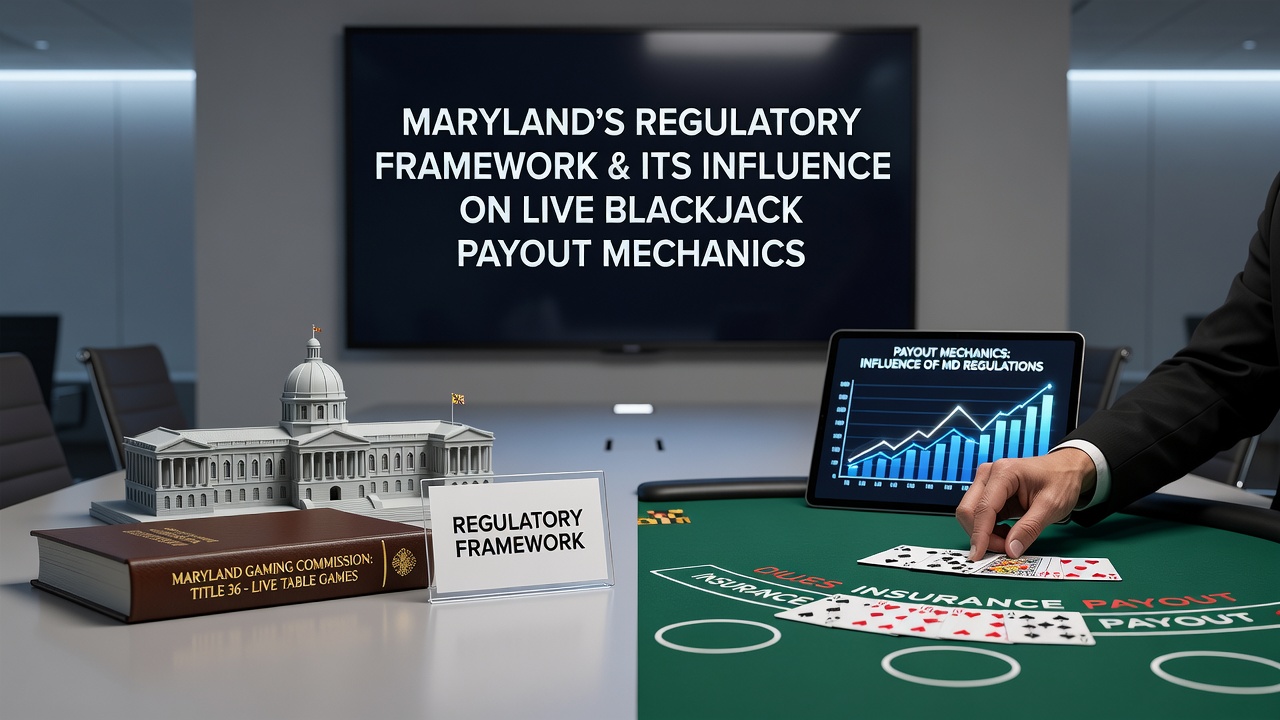
Maryland's Regulatory Framework and Its Influence on Live Blackjack Payout Mechanics
State oversight shapes how live blackjack operates across Maryland casinos, with payout mechanics tied directly to rules enforced by the Maryland Lottery and Gaming Control Agency. Those who track gaming regulations observe that game approvals, fairness standards, and disclosure requirements all feed into the ratios players encounter at the tables, whether the classic three-to-two payout or alternatives that shift house edges in measurable ways.
Establishing the Regulatory Backbone
Maryland voters approved expanded casino gaming through constitutional changes in 2008, after which the Maryland Lottery and Gaming Control Agency gained authority to license facilities, test equipment, and certify table game rules before any blackjack variant reaches the floor. Observers note that this structure requires operators to submit detailed game specifications for review, including payout tables, shuffling procedures, and card-dealing protocols that directly affect how winnings calculate during live play.
Data from agency reports shows that each blackjack variant must demonstrate compliance with minimum return-to-player thresholds before approval, which limits how aggressively casinos can adjust payout structures. Researchers at institutions such as the University of Nevada, Las Vegas Center for Gaming Research have documented similar state-level controls in other jurisdictions, where certified payout mechanics reduce variance in player outcomes across licensed venues.
Rules Governing Payout Ratios and Game Variants
Live blackjack payouts in Maryland remain subject to pre-approval processes that evaluate both three-to-two and six-to-five structures, with the latter requiring explicit justification because it increases the house edge by roughly one and a half percent according to industry analyses. The agency mandates that all payout tables appear clearly on game signage and digital displays, ensuring players receive accurate information before placing wagers, while also requiring periodic audits that verify random number generators and physical card integrity align with approved mechanics.
One documented case involved a major Maryland property that sought to introduce a side-bet variant with modified blackjack payouts; regulators required additional mathematical modeling and third-party testing before granting clearance. Such steps illustrate how the framework channels operator choices toward configurations that maintain documented fairness metrics rather than unchecked adjustments.
Live Dealer Operations and Compliance Requirements
Physical casinos operating live blackjack must maintain surveillance systems, dealer training logs, and table minimums that align with agency guidelines, all of which indirectly stabilize payout consistency because deviations trigger compliance reviews. Figures released by the agency indicate that table game approvals have grown steadily since 2013, when live blackjack first appeared at Maryland facilities, with each new configuration undergoing evaluation for mechanical integrity and payout transparency.
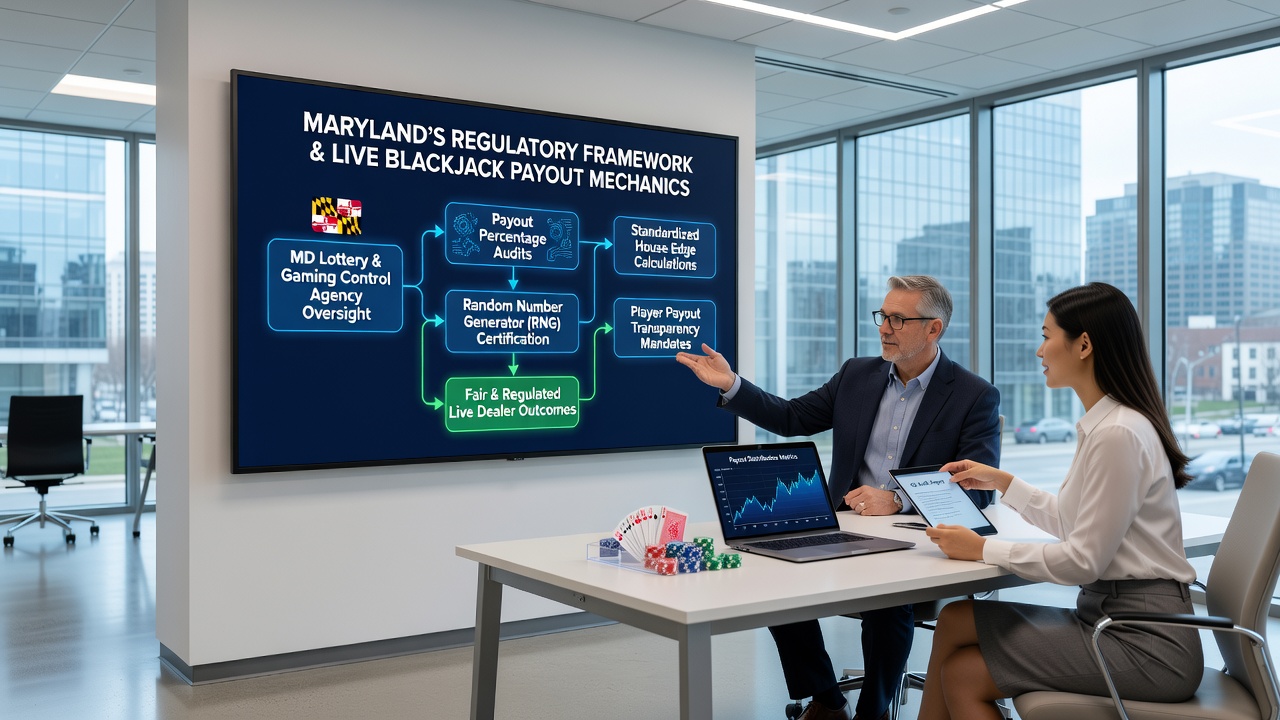
August 2026 marks the scheduled rollout of updated electronic reporting systems that will allow real-time transmission of table game statistics to the agency, including aggregate payout data across blackjack variants. This development builds on existing requirements that operators submit monthly summaries detailing win percentages and any deviations from approved payout mechanics, creating an ongoing feedback loop between regulatory expectations and on-floor performance.
Comparisons with Neighboring Jurisdictions
Analysts comparing Maryland rules with those in neighboring states such as Pennsylvania note that both require independent testing laboratories to certify blackjack equipment and payout algorithms before deployment, though Maryland places greater emphasis on public disclosure of exact payout ratios at every live table. The New Jersey Division of Gaming Enforcement offers another regional contrast, where similar certification processes exist yet allow slightly broader experimentation with promotional payout structures under strict reporting conditions.
These parallels and differences highlight how Maryland's approach channels operator decisions toward standardized mechanics that regulators can monitor consistently, reducing the likelihood of unapproved changes that alter player returns without oversight.
Conclusion
Maryland's regulatory framework ties live blackjack payout mechanics to a sequence of approvals, audits, and disclosure mandates administered by the Maryland Lottery and Gaming Control Agency. Evidence from agency records and academic studies demonstrates that these controls shape which payout ratios reach the floor while maintaining documented standards for fairness and transparency. As reporting systems advance in August 2026, the same oversight mechanisms will continue to influence how operators structure live blackjack games across the state.