Interpreting Third-Party Audit Reports to Identify Trustworthy Betting Sites
Sam Lange · Sep 10, 2026

Interpreting Third-Party Audit Reports to Identify Trustworthy Betting Sites
Third-party audit reports serve as key tools for evaluating betting sites because they provide independent verification of fairness, security, and operational standards that operators must meet. Research from gaming regulators shows these assessments cover random number generator testing, return-to-player calculations, and data protection measures, giving users concrete data rather than marketing claims alone. Observers note that sites displaying current certifications from recognized testing labs tend to maintain higher compliance levels over time.
Core Components Found in Audit Reports
Audit documents typically begin with an overview of the testing laboratory involved, followed by detailed sections on technical evaluations. The random number generator section examines whether game outcomes remain unpredictable and unbiased across thousands of simulated plays, while payout verification sections compare actual return percentages against advertised figures using historical data samples. Security audits address encryption protocols, access controls, and vulnerability scans that protect user information and financial transactions.
Those reviewing these reports often focus on the date of the most recent assessment because standards evolve and older certifications may no longer reflect current requirements. Data from industry organizations indicates that labs retest systems at regular intervals, sometimes annually or after major software updates, which keeps the information relevant for ongoing operations.
Recognizing Valid Certifications and Their Meaning
Certification seals from organizations such as eCOGRA or iTech Labs appear on many regulated platforms, yet the presence of a logo alone does not guarantee full compliance. Readers must check the accompanying report details to confirm the scope of testing covered specific games and that no limitations or exceptions were noted during evaluation. The Alcohol and Gaming Commission of Ontario publishes guidance on acceptable testing standards that operators in its jurisdiction must follow, offering one regional reference point for comparison.
Reports also list any corrective actions required after initial findings, which reveals how operators respond when issues surface. Sites that publish these full documents rather than summary statements allow for more thorough examination by players and analysts alike.
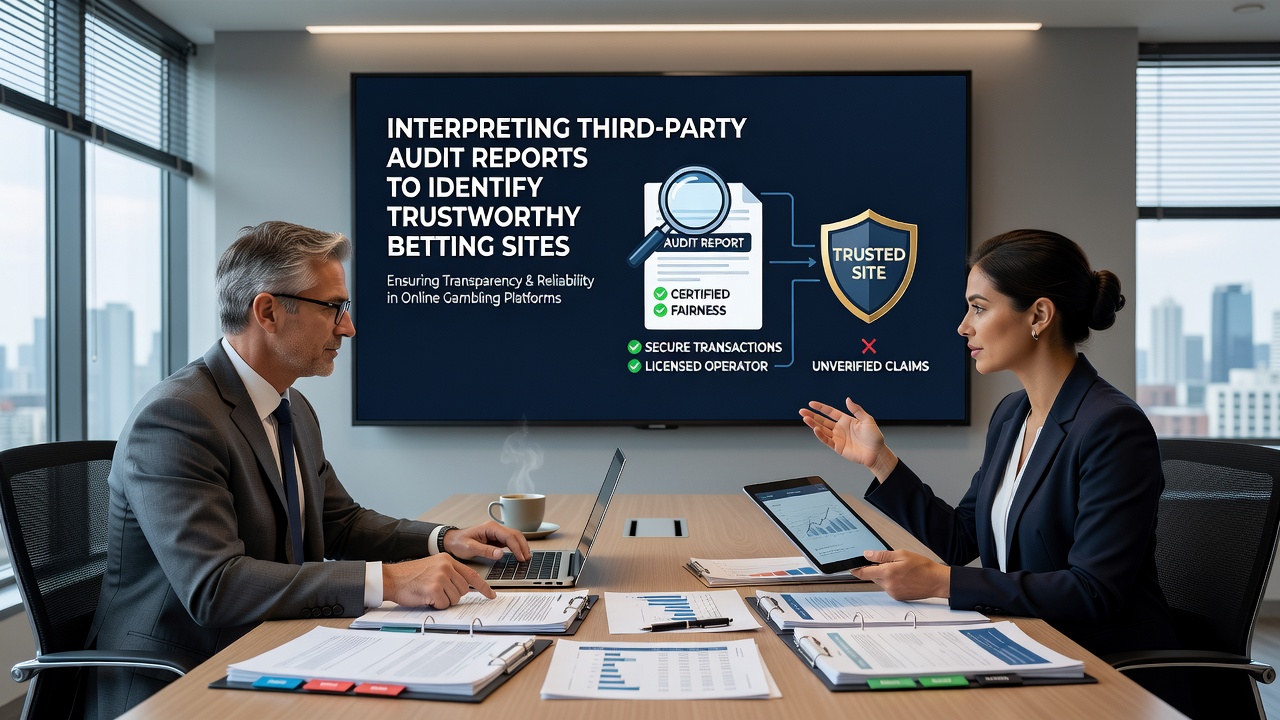
Identifying Red Flags in Documentation
Outdated report dates or missing sections on specific game categories often signal incomplete oversight. Reports that omit details about progressive jackpot systems or live dealer integrations leave gaps that make full assessment difficult. Research indicates that trustworthy operators typically provide direct links to the original laboratory documents instead of hosting only summarized versions on their own platforms.
Language within the report matters as well. Vague statements about “general compliance” without supporting metrics or sample sizes reduce the report’s value for verification purposes. Those examining multiple sites frequently compare report structures across different providers to spot patterns of thoroughness versus minimal disclosure.
Regional Regulatory Contexts and Report Standards
Different jurisdictions maintain distinct requirements for third-party involvement. The New Jersey Division of Gaming Enforcement mandates independent testing for all licensed online operators, with results integrated into public licensing records. In Australia, state-based authorities require similar audits focused on consumer protection metrics, creating another source of comparable data for cross-border evaluation.
Academic studies published in the Journal of Gambling Studies have examined correlations between certification frequency and player complaint volumes, finding measurable differences across regulated markets. These findings help contextualize why some regions emphasize more frequent retesting cycles than others.
Practical Steps for Report Analysis
Begin by locating the full PDF or web-hosted version rather than relying on homepage badges alone. Next, verify the testing laboratory’s accreditation status through its own professional associations. Cross-reference the games listed in the report against the current site catalog because new titles added after the audit date fall outside the verified scope.
Pay particular attention to any statistical confidence intervals provided in payout verification sections, as these indicate the sample size and reliability of the figures presented. Sites that maintain transparent reporting practices often update these documents within weeks of new test cycles, which demonstrates ongoing commitment to the standards outlined.
Conclusion
Third-party audit reports supply measurable evidence about operational integrity when examined in full rather than accepted at face value. By focusing on report dates, testing scope, corrective action details, and alignment with regional regulatory expectations, users obtain clearer indicators of which betting sites maintain consistent standards. Ongoing developments in testing methodologies continue to refine the information available through these independent evaluations.